
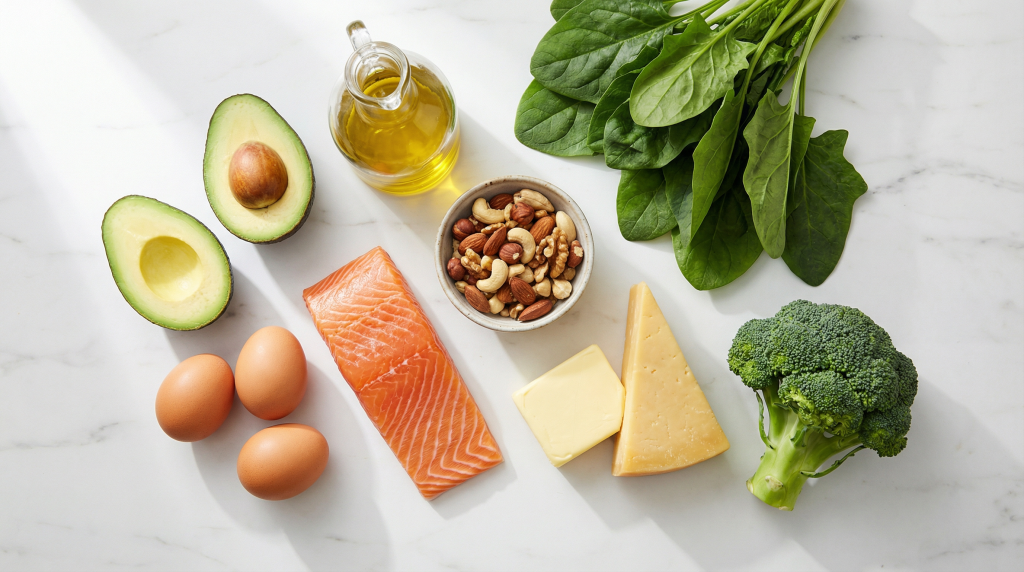
What Is the Keto Diet?
The ketogenic diet is a high-fat, moderate-protein, very-low-carbohydrate eating plan that shifts your body into a metabolic state called ketosis. In ketosis, your body burns fat for fuel instead of glucose from carbohydrates, making it one of the most effective approaches for weight loss and metabolic health.
Originally developed in the 1920s to treat epilepsy, the keto diet has since been studied extensively for its benefits in weight management, blood sugar control, mental clarity, and even neuroprotection. Today, millions of people worldwide follow some form of the ketogenic diet.
How Does the Keto Diet Work?
When you drastically reduce your carbohydrate intake (typically to 20-50 grams of net carbs per day), your body depletes its glycogen stores and begins breaking down fat into molecules called ketone bodies. These ketones become your primary energy source, fueling everything from your muscles to your brain.
The three main types of ketone bodies are:
- Beta-hydroxybutyrate (BHB) — the most abundant ketone in your blood
- Acetoacetate — produced in the liver from fatty acids
- Acetone — a byproduct that is exhaled through your breath
Most people enter ketosis within 2 to 7 days of restricting carbs, though this varies based on activity level, metabolism, and previous diet.
Step-by-Step: How to Start the Keto Diet
Step 1: Calculate Your Keto Macros
The standard ketogenic diet follows these macronutrient ratios:
- Fat: 70-75% of total calories
- Protein: 20-25% of total calories
- Carbohydrates: 5-10% of total calories (typically 20-50g net carbs)
For a 2,000-calorie diet, this translates to approximately 155g fat, 100g protein, and 25g net carbs per day. Use a keto macro calculator to find your personalized numbers based on your age, weight, height, activity level, and goals.
Step 2: Stock Your Kitchen with Keto Foods
Clear out high-carb foods and stock up on keto staples:
- Healthy fats: Avocado oil, olive oil, coconut oil, butter, ghee
- Proteins: Beef, chicken, pork, fish, eggs, bacon
- Low-carb vegetables: Spinach, kale, broccoli, cauliflower, zucchini, asparagus
- Dairy: Cheese, heavy cream, sour cream, cream cheese
- Nuts and seeds: Almonds, macadamia nuts, pecans, chia seeds, flaxseeds
- Beverages: Water, black coffee, unsweetened tea, bone broth
Step 3: Plan Your First Week of Meals
Having a meal plan eliminates guesswork and prevents you from reaching for high-carb convenience foods. Here is a sample day on keto:
- Breakfast: Scrambled eggs with cheese and avocado (2g net carbs)
- Lunch: Grilled chicken salad with olive oil dressing (4g net carbs)
- Dinner: Salmon with butter and roasted broccoli (6g net carbs)
- Snack: Handful of macadamia nuts (2g net carbs)
Step 4: Prepare for the Keto Flu
During the first week, you may experience what is commonly called the keto flu — symptoms like headache, fatigue, irritability, and brain fog. This happens as your body transitions from burning glucose to burning fat. To minimize symptoms:
- Stay well hydrated (aim for 3+ liters of water daily)
- Supplement with electrolytes — sodium, potassium, and magnesium
- Eat enough fat to keep energy levels stable
- Get adequate sleep and avoid intense exercise during the transition
Step 5: Track Your Progress
Use a food tracking app to log your meals and ensure you are staying within your macro targets. Popular options include Carb Manager, Cronometer, and MyFitnessPal. You can also use urine ketone strips or a blood ketone meter to confirm you are in ketosis.
Foods to Eat on the Keto Diet
Focus on whole, nutrient-dense foods that are naturally low in carbohydrates:
- Meat and poultry: Beef, pork, lamb, chicken, turkey, organ meats
- Fish and seafood: Salmon, sardines, mackerel, shrimp, crab
- Eggs: Pastured or omega-3 enriched eggs
- Full-fat dairy: Butter, cheese, heavy cream, Greek yogurt (plain)
- Healthy oils: Extra virgin olive oil, avocado oil, coconut oil, MCT oil
- Avocados: Whole avocados or fresh guacamole
- Low-carb vegetables: Leafy greens, cruciferous vegetables, peppers, mushrooms
- Nuts and seeds: Almonds, walnuts, macadamia nuts, chia seeds
- Berries (in moderation): Strawberries, blueberries, raspberries
Foods to Avoid on the Keto Diet
Eliminate or strictly limit these high-carb foods:
- Grains: Bread, pasta, rice, cereal, oats
- Sugar: Candy, soda, juice, cake, cookies, ice cream
- Starchy vegetables: Potatoes, sweet potatoes, corn, peas
- Fruit (most): Bananas, apples, oranges, grapes, mangoes
- Legumes: Beans, lentils, chickpeas, peanuts
- Processed foods: Chips, crackers, most packaged snacks
- Alcohol (most): Beer, sweet cocktails, sugary mixers
Common Mistakes to Avoid When Starting Keto
- Not eating enough fat — Fat is your primary fuel source on keto. Do not fear it.
- Eating too much protein — Excess protein can be converted to glucose through gluconeogenesis.
- Ignoring electrolytes — Sodium, potassium, and magnesium depletion causes most keto flu symptoms.
- Not reading labels — Hidden carbs are everywhere, from sauces to seasonings.
- Expecting instant results — Give your body at least 2-4 weeks to fully adapt to burning fat.
- Comparing yourself to others — Everyone’s keto journey is different. Focus on your own progress.
How Long Does It Take to See Results on Keto?
Most people experience noticeable changes within the first 1-2 weeks, primarily from water weight loss as glycogen stores are depleted. Consistent fat loss typically begins after 2-4 weeks once you are fully fat-adapted. Many people report losing 5-10 pounds in the first month, with continued steady loss of 1-2 pounds per week thereafter.
Beyond weight loss, you may notice improved energy, better mental clarity, reduced hunger, and more stable moods within the first few weeks of starting keto.
Frequently Asked Questions
Is the keto diet safe?
For most healthy adults, the keto diet is safe and well-tolerated. However, people with certain medical conditions (such as pancreatitis, liver disease, or gallbladder issues) should consult their doctor before starting. Pregnant or breastfeeding women should also seek medical guidance.
How many carbs should I eat on keto?
Most people aim for 20-50 grams of net carbs per day. Net carbs are calculated by subtracting fiber and sugar alcohols from total carbohydrates. Starting at 20g and gradually adjusting upward helps you find your personal carb threshold.
Can I eat fruit on keto?
Most fruits are too high in sugar for keto, but small portions of berries (strawberries, raspberries, blackberries) can fit within your carb limit. Avocados and olives are technically fruits and are excellent keto choices.
Do I need to count calories on keto?
While keto naturally reduces appetite and calorie intake for most people, counting calories can be helpful if you hit a plateau or have specific weight loss goals. Focus on macros first, and adjust calories if needed.
Start Your Keto Journey Today
The keto diet is one of the most effective and well-researched approaches to weight loss, metabolic health, and overall well-being. By following the steps outlined in this guide, you can start your keto journey with confidence and set yourself up for long-term success. Remember: consistency is key, and the first few weeks are the hardest. Once you are fat-adapted, the benefits speak for themselves.
Explore More Keto Resources
- The Ultimate Guide to the Keto Diet — Everything you need to know in one place
- How to Start Keto — Step-by-step beginner’s guide
- Keto Food List — Complete list of what to eat and avoid
- Keto Meal Planning Guide — 7-day meal plan with shopping list
- Keto Flu Guide — Symptoms, causes, and remedies
- Keto FAQ — 50+ questions answered
- Keto Resource Hub — All guides and resources in one place